PLEASE BE INFORMED
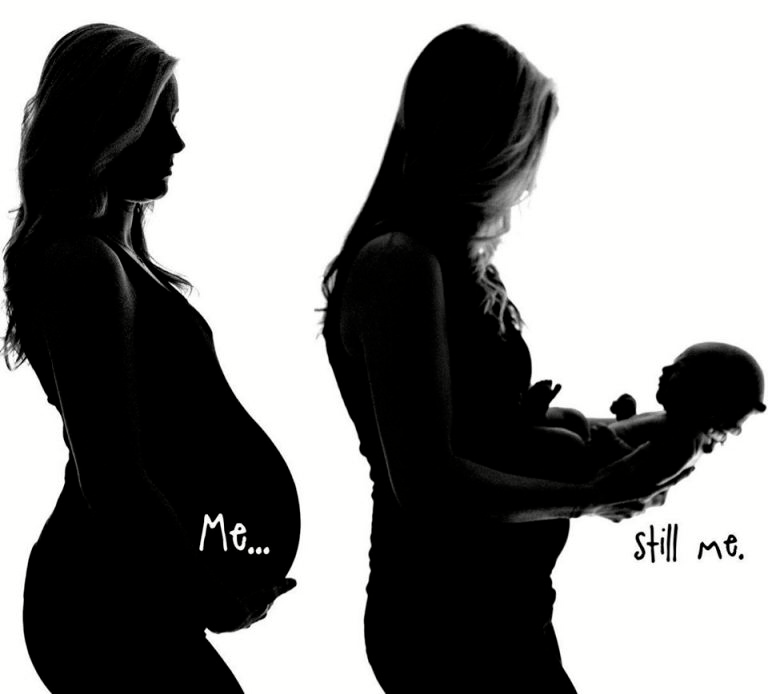
Abortion is not merely a women’s rights issue; it is a profound human rights concern that centers on the right to life, beginning with the unborn. By acknowledging and valuing the existence of those who cannot yet speak for themselves, we strive to be a compassionate voice for the voiceless, defending the most vulnerable among us.
Many women face significant challenges when considering their options, often lacking complete transparency about the procedures, risks, and long-term effects of abortion—both physically and emotionally. Some providers may unintentionally downplay these realities, leaving women without a clear understanding of the potential outcomes. Emotional trauma, regret, and a deep sense of loss are common among those who later reflect on their decision.
We believe that true informed consent requires complete transparency. Every woman deserves honest and detailed information about the procedures they are considering and the possible consequences. The videos and explanations provided below aim to offer an unfiltered look at abortion procedures, ensuring that each individual has access to the information necessary to make informed choices.
Central to this conversation is the right to be born, which emphasizes the inherent dignity and value of every human life, starting at conception. Each unborn child deserves recognition, protection, and respect, as every child holds unique potential and the right to experience life.
Our approach is rooted in compassion, valuing both mothers and their unborn children. We advocate for accountability and support systems that promote life-affirming choices, upholding the dignity of everyone involved. It’s essential to create an environment where women feel empowered to make the choices that are best for them, with support available for whatever path they choose.
It is crucial to recognize that the womb can be one of the most dangerous places to be, posing serious threats to the value and dignity of human life—especially for the unborn. The potential for up-to-birth abortion raises important questions about compassion and respect for life.
As you explore the resources and videos below, please understand that they contain graphic content intended to provide a complete, honest perspective on abortion procedures. Our hope is that this information helps you make informed and thoughtful choices, fully aware of the realities involved. We encourage you to consider the gift of life and the support available to you, reminding you that the choice is ultimately yours, and every option deserves careful consideration.
LIFE BEGINS AT CONCEPTION
The phrase “Life Begins at Conception” reflects the belief that human life starts when a sperm fertilizes an egg, creating a unique genetic entity. This viewpoint is often discussed in the context of bioethics, reproductive rights, and various cultural and religious beliefs. Advocates argue that conception marks the beginning of a human being’s existence, deserving legal and moral recognition. This perspective raises significant questions about the rights of the unborn, abortion legislation, and the implications for family planning and reproductive health.
Never-Before-Seen Footage of Human Life in the Womb
This groundbreaking video features rare footage of human baby development in the womb, captured with advanced imaging techniques. It showcases key stages from conception to later gestation, highlighting growth, organ formation, and movement. By presenting this intimate look at life in the womb, the video aims to enhance understanding of prenatal development and foster a deeper appreciation for the complexities of human life before birth. It invites viewers to reflect on the importance of maternal health, prenatal care, and the significance of the early stages of life.
ABORTION PROCEDURES
Abortion pills
Abortion pills, often known as medical abortion, are a method used to terminate an early pregnancy through a two-drug regimen. The first medication, mifepristone, blocks the hormone progesterone, which is essential for the pregnancy to continue. The second medication, misoprostol, is taken a few days later to induce contractions and facilitate the expulsion of the baby.
1st Trimester
Dilation, Evacuation and Curettage
Dilation, Evacuation (D&E), and Curettage (D&C) are surgical procedures used in various medical contexts, including abortion and the management of miscarriage or abnormal uterine conditions.
D&E is typically performed in the second trimester to terminate a pregnancy. During the procedure, the cervix is dilated, and surgical instruments are used to remove the baby from the uterus.
D&C is primarily used to clear the uterine lining after a miscarriage or to treat certain uterine conditions, such as heavy bleeding. Similar to D&E, the cervix is dilated, and a curette is used to scrape the uterine lining to remove the baby.
1st Trimester
2nd Trimester
Injection and Stillbirth
In the context of abortion procedures, a specific injection is administered directly into the baby’s heart to induce fetal demise before delivery. The injection effectively stops the heartbeat of the fetus, allowing the mother to deliver the dead baby in a more controlled manner.
Stillbirth refers to the loss of a baby at or after 20 weeks of pregnancy and can be caused by various factors, including medical complications.
Discussions around injection and stillbirth in this context often encompass the ethical considerations of abortion procedures, patient autonomy, and the emotional support necessary for families facing the loss of a pregnancy.
Induced Labor
A third-trimester abortion is a medical procedure performed to end a pregnancy in its later stages. This may involve inducing labor or surgical techniques, depending on the circumstances. Such procedures are typically undertaken due to serious medical complications or risks to the pregnant person’s health.
The process typically involves the following steps:
1. Preparation: Medications are given to soften and dilate the cervix.
2. Fetal Demise: In some cases, an injection is used to stop the fetal heartbeat before the procedure begins.
3. Delivery or Removal: Labor may be induced to deliver the fetus, or a surgical procedure like dilation and extraction (D&E) is performed.
4. Aftercare: The uterus is cleared to prevent complications, and follow-up care ensures the patient’s health and recovery.
The specific steps depend on the method used and the individual’s medical needs.
Thank You for Watching
We appreciate your willingness to engage with this important and often challenging topic. Watching these videos is a crucial step toward understanding the complexities surrounding abortion and the impact it has on both mothers and unborn children.
Reflect and Reach Out
We encourage you to take some time to reflect on what you’ve learned. It’s important to process your feelings and thoughts after viewing this material. If you have questions, need support, or want to discuss your thoughts, please don’t hesitate to reach out.
Resources for Support
If you or someone you know is facing an unplanned pregnancy or needs assistance, we encourage you to explore the resources available in our directory. These organizations can provide support, counseling, and information about life-affirming options in the USA and the UK.
• Crisis Pregnancy Centers: Many offer free pregnancy tests, ultrasounds, and counseling.
• Adoption Services: Explore options for adoption if you’re considering it as a choice.
• Counseling Services: Access emotional support to help you navigate your feelings and decisions.
You’re Not Alone
Remember, whatever you’re feeling is valid, and support is available. We stand by our commitment to protecting and valuing every life, and we hope to empower you in your journey. Thank you for taking the time to learn and grow.
 PRO LIFE CONNECT