Pregnancy Health & Wellbeing
Caring for Yourself During Pregnancy
Pregnancy is an exciting, transformative journey that also brings unique challenges. Prioritizing your health and well-being is essential for both you and your baby. Here’s a guide with essential tips to help you stay physically and emotionally healthy throughout pregnancy.
1. Prenatal Care: Building the Foundation for a Healthy Pregnancy
Regular prenatal care is one of the best things you can do to support your baby’s health. These checkups allow your healthcare provider to track your baby’s development and detect potential concerns early.
Key Steps in Prenatal Care
• First Trimester (0-12 weeks): Schedule your first appointment as soon as you confirm your pregnancy. Your healthcare provider will perform an exam, blood tests, and an ultrasound to set your due date.
• Ongoing Appointments: Typically, checkups occur every four weeks until the 28th week, then more frequently as your due date approaches.
• Access to Care: If accessing care is challenging, many community clinics and organizations offer free or low-cost prenatal services, including ultrasounds and prenatal vitamins.
Essential Prenatal Vitamins
• Folic Acid: Helps prevent neural tube defects.
• Iron and Calcium: Supports increased blood volume and helps build your baby’s bones.
Regular prenatal care is key to a healthy pregnancy and baby.
2. Nutrition: Eating for Two, the Right Way
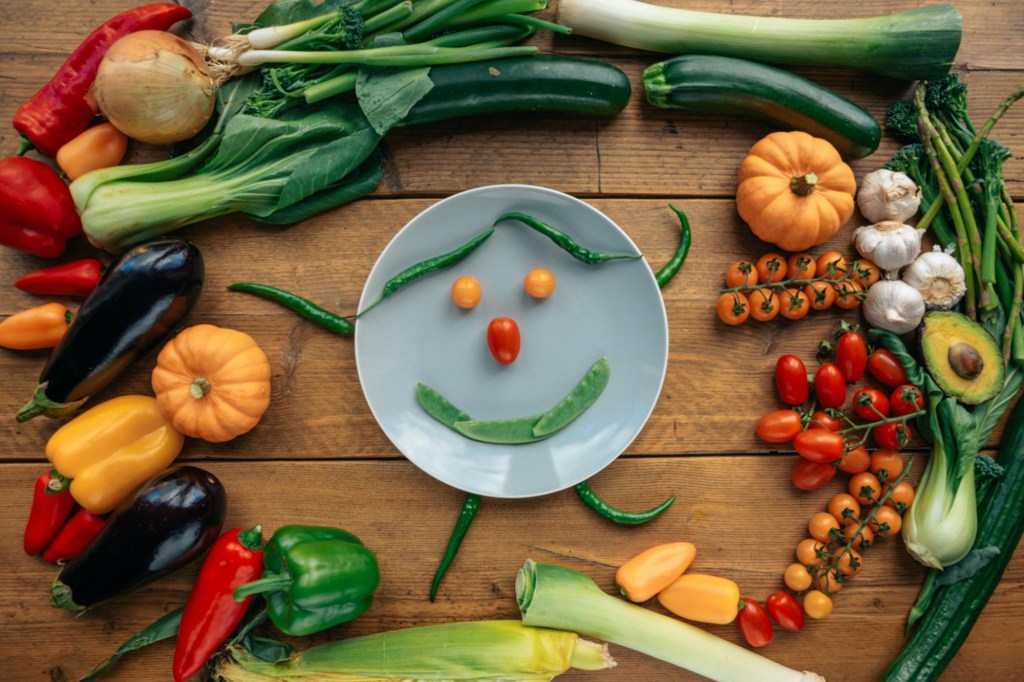
A balanced diet is vital to fuel your baby’s development and maintain your energy levels. While significant calorie increases aren’t necessary, choosing nutrient-rich foods is essential.
Nutrient Essentials
• Fruits and Vegetables: Aim for 5 servings daily to get vitamins C, A, and folate, plus fiber to support digestion.
• Whole Grains: Oats, whole-grain bread, and brown rice offer sustained energy and essential B vitamins.
• Lean Proteins: Include chicken, beans, eggs, and low-mercury fish to support your baby’s growth, especially in later trimesters.
• Dairy: Milk, yogurt, or fortified plant-based options provide calcium for your baby’s developing bones and teeth.
Foods to Avoid
• Raw or Undercooked Meat and Fish: These may contain harmful bacteria.
• Unpasteurized Dairy: May carry listeria, which poses pregnancy risks.
• Caffeine and Alcohol: Limit or avoid as they can affect your baby’s development.
Hydration Matters
Drink 8-10 glasses of water a day to stay hydrated and support your body’s increased blood volume.
3. Emotional Health: Supporting Your Mental Well-Being
Pregnancy often brings a rollercoaster of emotions, from excitement to anxiety. Caring for your mental health is as crucial as your physical health.
Common Emotional Challenges
• Hormonal Changes: These can lead to mood swings, irritability, or emotional struggles like anxiety or depression.
• Life Stressors: An unexpected pregnancy, relationship changes, or financial stress can add emotional strain.
Seeking Support
If you’re struggling emotionally, don’t hesitate to reach out. Many healthcare providers and community organizations offer counseling, support groups, and online resources. Rely on friends, family, or professionals to help ensure your mental well-being.
4. Rest & Self-Care: Recharge for You and Your Baby
Pregnancy can be demanding as your body supports your growing baby. Prioritizing rest and self-care can help you manage fatigue, sleep disturbances, and general discomfort.
Tips for Rest and Recovery
• Sleep: Aim for 7-9 hours a night, and consider using pillows for additional support.
• Napping: Rest as needed during the day if you’re feeling fatigued.
• Gentle Exercise: Low-impact activities like walking, swimming, or stationary cycling improve circulation, reduce stress, and ease discomfort. Always check with your healthcare provider before starting new exercises.
Managing Common Pregnancy Discomforts
• Back Pain & Swelling: Gentle stretching, prenatal massage, or a maternity support belt can help.
• Heartburn & Nausea: Eat smaller, more frequent meals and avoid spicy foods to manage symptoms.
• Mindfulness & Relaxation: Practices like meditation, deep breathing, or simply enjoying quiet moments can help reduce stress.
In Summary
Your health and well-being during pregnancy are essential for a healthy baby and smoother pregnancy journey. Focusing on prenatal care, nutrition, emotional health, and self-care is key to giving yourself and your baby the best possible start.
Have more questions or need support?
Explore our directory of resources for free or low-cost prenatal care, counseling, and emotional support for pregnant women in crisis situations.
 PRO LIFE CONNECT